This is fashionably late, but mentorship and giving back never go out of style.
For most Baruch College-related events I attend, I usually follow up with a bunch of takeaways.
A big thank you to Olga Barskaya of alumni relations for reminding me.
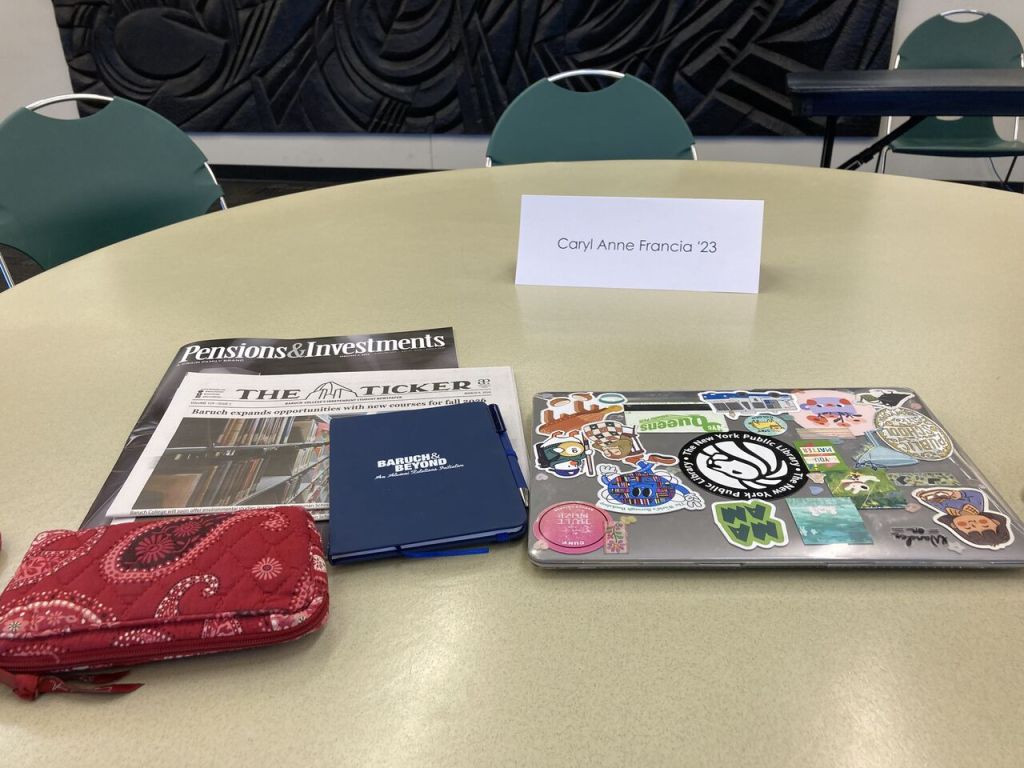
I recently participated in a roundtable with four Baruch alumni who majored in journalism or pursued in careers in the field after studying something else.
From that, I’ll breakdown takeaways for current students, alumni, industry peers and myself.
To current students — journalism majors or not:
- Don’t hesitate to join your college newspaper, be it on a writing, editing or graphics/art capacity — and don’t let news about organizational drama bog you down! Get involved, and you’ll hopefully get to work with an agreeable editor who believes in you. (or so as May Khin describes)
- Student papers actually need you. Internally, there’s always been struggles getting writing staff on some weeks for some sections — and hopefully that’s not a sign of declining habits among Gen Z.
- Even if you’re not pursuing journalism, getting involved in student journalism helps build skills in research, writing, analysis and, to some degree, creativity — which are all applicable in other careers like public relations as well as finance! Just ask the finance majors who used to write with me.
To journo alumni:
- If you’re still in the industry — keep fighting the good fight!
- If you’ve left the industry — trust the journey you’re on. If you end up returning, maybe it’s in the cards.
- Get involved in more mentorship events like this! Attendees said it was helpful — and heck, we didn’t have things like this when we were students. (At least at Baruch)
To industry peers:
- Please, please, please give opportunities for interns and early career folks to dip their toes in the water — regardless if you’re at a legacy paper, trade publication or journo adjacent editorial department. If not, you’re doing a disservice to the future of the industry and a new generation of writers.
- If you’re using AI to replace certain functions, students want to know for the sake of knowing what’s no longer open to them — and what positions they may be laid off from eventually. And if you’re using AI to rewrite or remake stories, please don’t knock the power of creativity — especially since that’s the true driver of innovation, not necessarily following competitors.
- Put more value in the human connections and verbal feedback you get from the greater community of readers. Analytics reports on web traffic can help, but don’t alienate print readers — especially the younger readers embracing it over digital. (This was good news on my end for the future of media literacy)
To myself:
- I honestly didn’t realize I loved journalism as much as I did until I sat in this event.
- I never thought much of how much work I threw on my plate in my student journo days, but now I know. Yes, I did a lot!
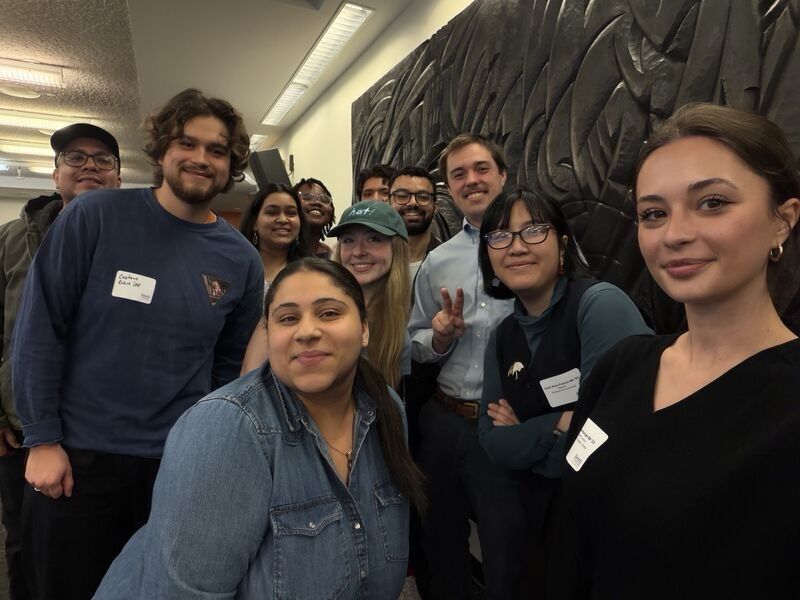
For the featured imagine in this post, photo credit goes to Amanda Kavaja — a great table mate and classmate for whom I’d only join a selfie for.
***
 Dearest Reverie